Battery only · no roof needed

No roof.
Still no brownouts.

If you rent, live in a condo, or the roof simply isn't yours to touch, you can still stop losing power. A battery plugs into an ordinary outlet and comes with you when you move.

Charging15.36 kWh pack

Three sizes. It charges off an ordinary outlet, and it comes with you when you move.

Who this is for

You were told solar isn't for you. That was only half true.

Solar panels need a roof you are allowed to change. A battery does not need a roof at all. These are the five situations we are asked about most.

You rent a condo or apartment

Nothing can be drilled, mounted or rewired, and you may move next year. A battery is furniture, not a fixture.

You own a condo

You own your unit but not the roof above it, and the association will not approve panels on a shared structure.

You rent a house

The roof is real, but it is not yours to modify, and you are not going to spend on your landlord's property.

Your roof isn't ready

It is shaded, ageing or due for repair, or you are simply not ready to spend on a full system this year.

You just need the power not to cut

You work from home, or someone in the house depends on equipment that cannot stop. You do not want a generator in the hallway.

None of these?

If you own your roof, a full solar system will almost always be the better long-term buy. A battery alone stores power; it does not make any. We will tell you that plainly.

See the home systems

Simple by design

How a battery alone works.

No panels, no roof, no permits, no rewiring. It is closer to a very large, very quiet power bank for your home.

Step 1 · While power is on

It fills up quietly

You plug it into a normal outlet. It charges in the background, drawing a modest amount so it does not upset the rest of the unit.

Step 2 · When the power cuts

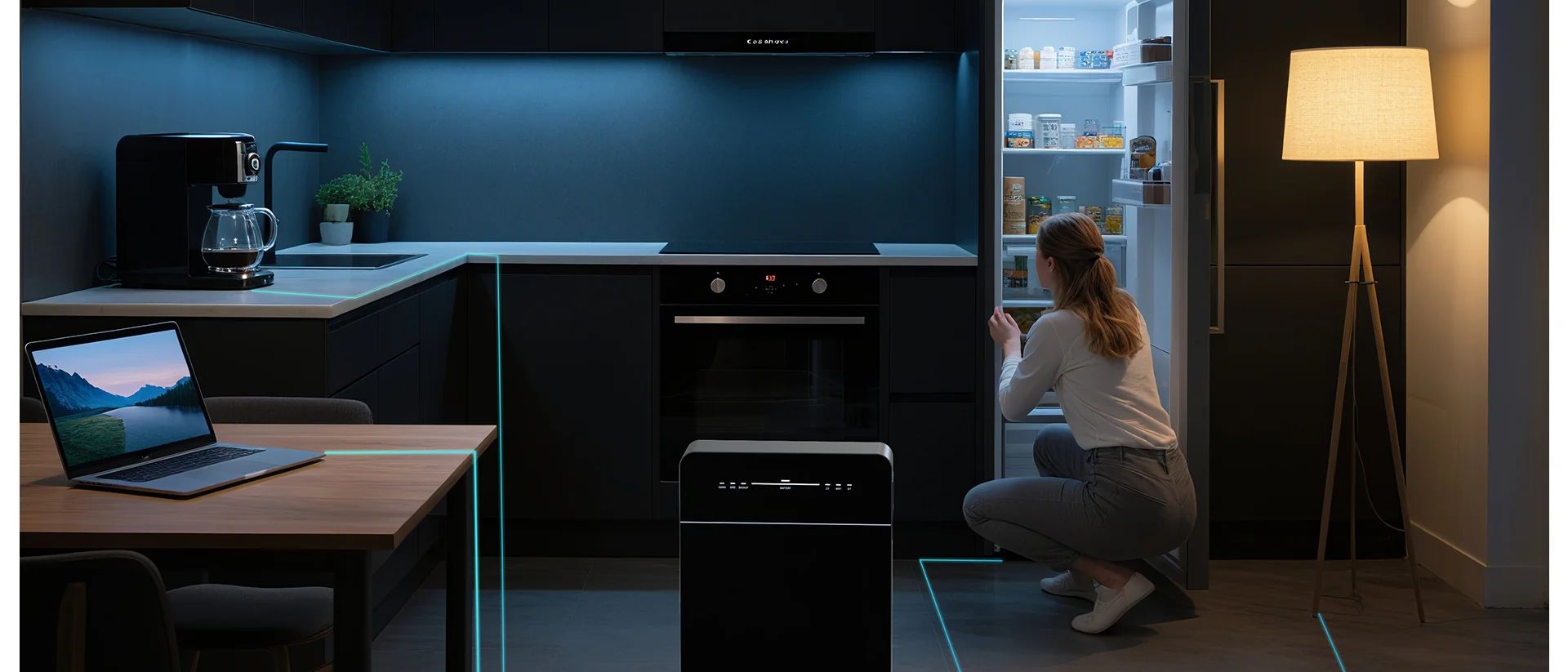
Your essentials keep running

Fridge, lights, Wi-Fi, phones, laptop, fan, TV. The things that make an outage annoying instead of unbearable.

Step 3 · The switch

Nothing reboots

Changeover happens in about 20 milliseconds. Your work does not close, your router does not restart, your food does not warm up.

While the power is on, the grid runs the house and fills the battery. During a brownout the grid stops and the battery runs the house. When the power returns the battery refills itself. The grid Inverter Your battery Your house under 20 ms to take over charges from an ordinary outlet

The battery fills quietly from an ordinary outlet, drawing a modest amount so it does not upset the rest of the unit.

The grid stops. In about twenty milliseconds the battery has the house, and your work does not close.

The grid comes back and the battery refills itself, ready for the next one. Nobody has to do anything.

A battery on its own does not lower your monthly bill. It protects you from outages and keeps you working. Savings come from solar, which you can add later.

A battery module's cells at close range

After dark

The hours you sleep through a brownout are the whole product.

No roof, no permits, no rewiring. It plugs into an ordinary outlet and it moves with you.

Three sizes

Start where you actually are.

The right size is decided by what you need to keep running and for how long, not by what fits the budget conversation. We work it out at the assessment. If what you actually want is something you can carry, there is a portable range further down.

1–2kWh
battery

PORTABLE

A desk, a router, a phone, a fan.

Ask for a price

nothing installed, you carry it

≈15 h of desk load

  • No installation at all
  • Move it room to room
Most condos choose this

5kWh
battery

PLUG-IN 5

The whole unit's essentials, overnight.

Ask for a price

supplied and set up · 2.5 kW output

≈13 h of condo essentials

  • Under 30 dB, quieter than talking
  • Switches in under 20 ms

10kWh
battery

PLUG-IN 10

Two units, or one long outage.

Ask for a price

supplied and set up · 5.0 kW output

≈26 h of condo essentials

  • ≈8 h with one aircon
  • 10-year warranty

Past 10 kWh, we move you onto a wired system.

The plug-in platform stacks to two units, 10 kWh. Beyond that is a site visit, not a catalogue pick. Hours are estimates at 90% usable battery, on the loads named. Your own figures are computed from your own appliances and printed in your proposal.

Portable power

Not every battery stays at the house.

The Venus E is built to sit outside and carry your evening while you forget it is there. These are the ones you pick up and take with you: a stall, a site office, a farm hut, a weekend away, or a desk with a laptop, the Wi-Fi and a fan on it.

They make their own power

All three take a solar panel, so when there is no socket to charge from, the sun does it. The house battery charges from a socket and only from a socket, because it is designed to live beside one. Out where there is no socket, that is the difference that matters.

Two of them grow

The M1200 and the M2200 each take an add-on battery, so a station bought for a weekend away can become the one that carries a stall through a whole market day. You buy the second half when you need it, not before.

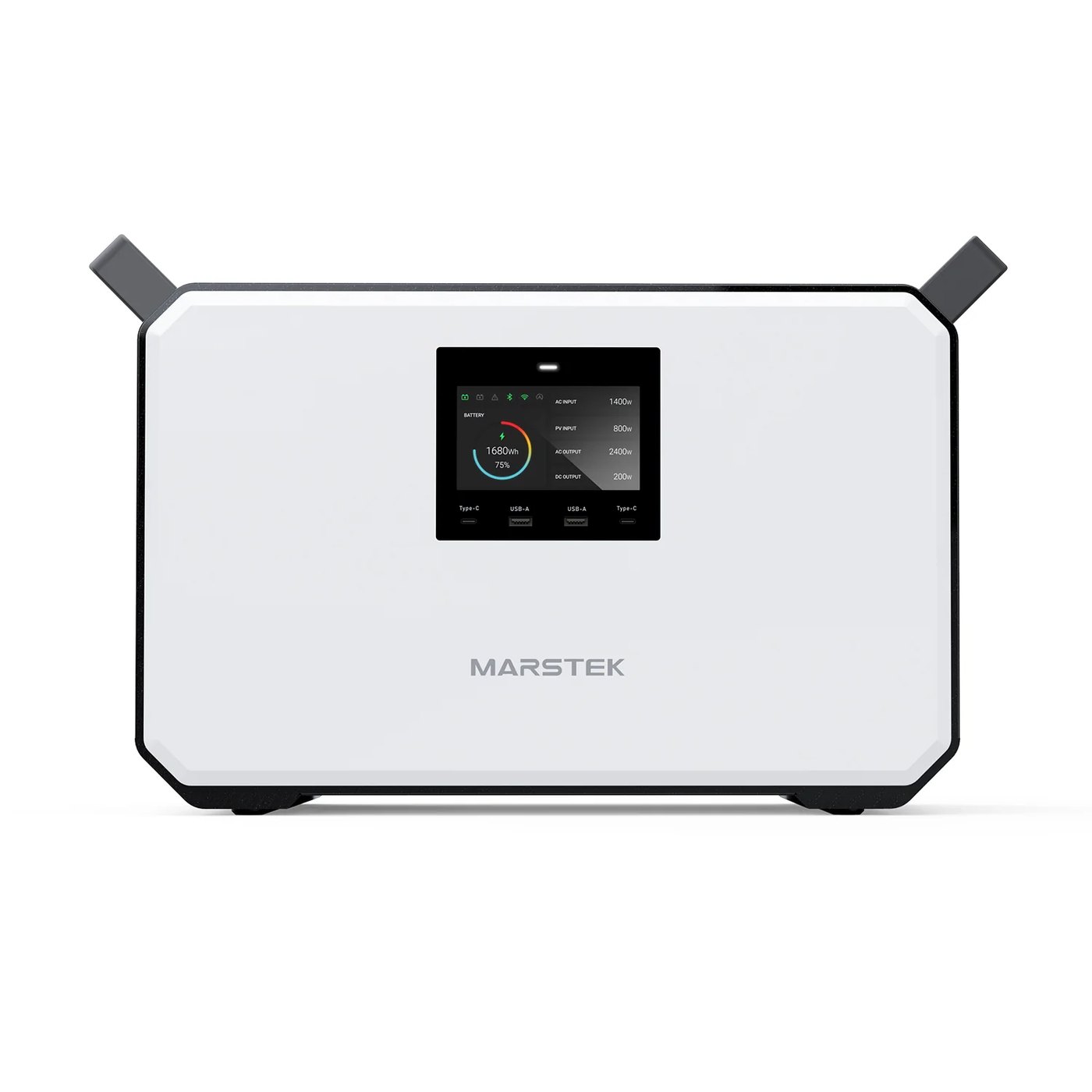
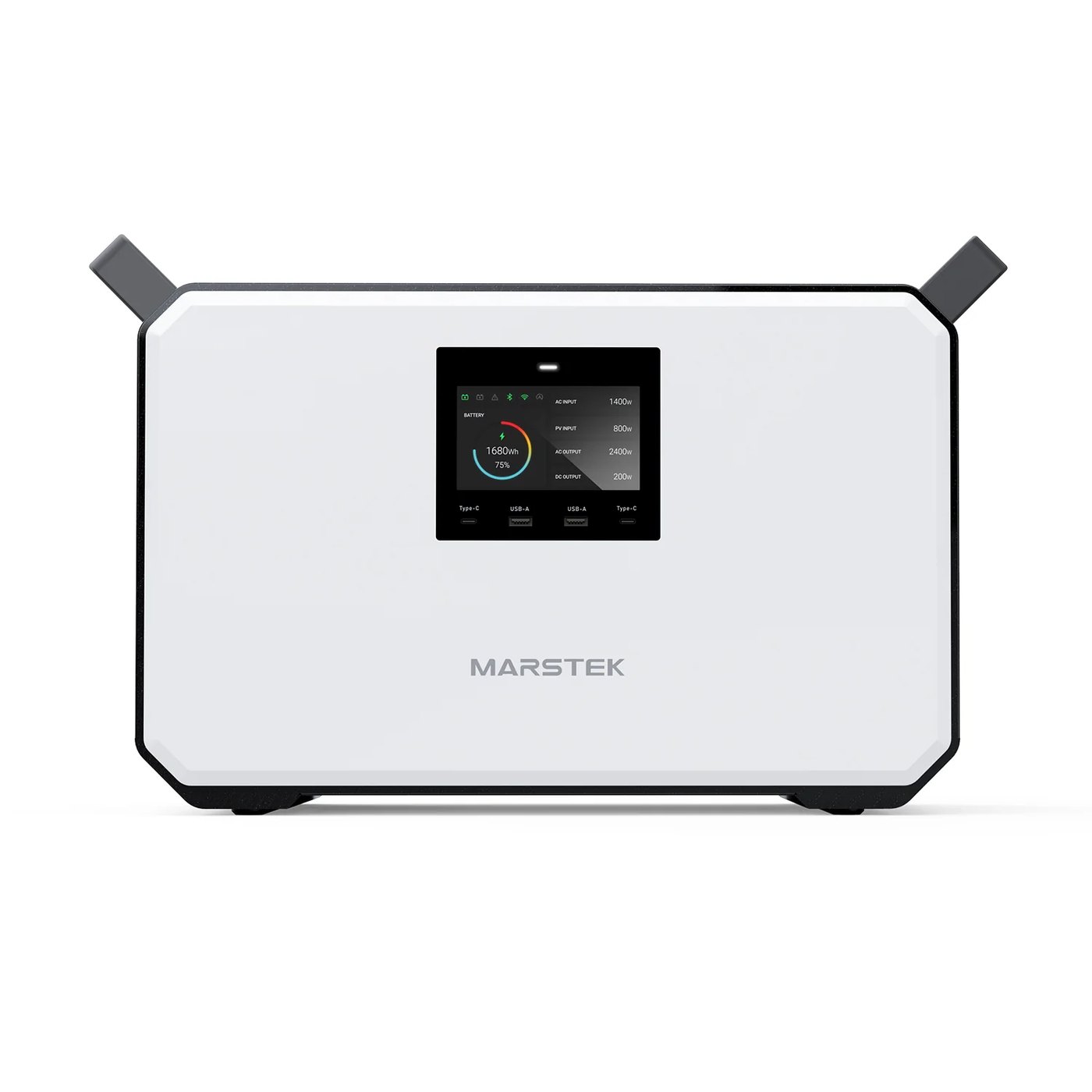
Marstek M1200 Arriving soon

Marstek M1200

1.03 kWh · 1,800 W out

Charges from solarExpandable

The one you carry one-handed. Lights, the Wi-Fi, a fan and everybody's phones through a long evening, at fourteen kilos.

Panel input: 800 W

Grows: P1200-M add-on battery

See the full specification
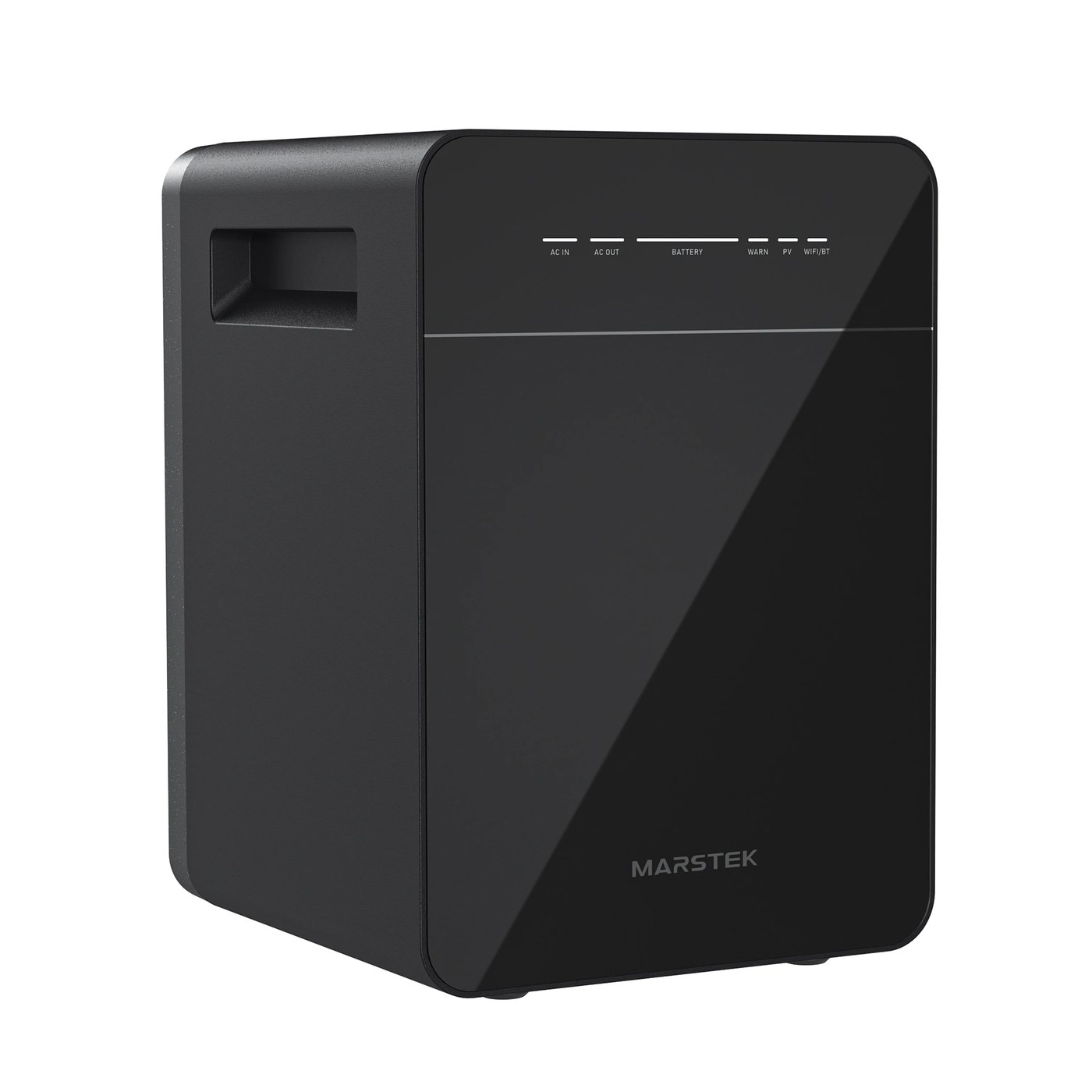
Marstek V500 Available

Marstek V500

2.0 kWh · 500 W out

Charges from solar

Waterproof, fanless and silent, rated to four thousand metres and good for ten thousand cycles. Built to be left running in a hut, a stall or a site office rather than carried in and out.

Panel input: 500 W

One unit, no add-on battery.

See the full specification
Marstek M2200 Arriving soon

Marstek M2200

2.24 kWh · 2,400 W out

Charges from solarExpandable

Four AC sockets and enough output for tools, a fridge, or a whole stall for an evening. The biggest of the three, and it doubles.

Panel input: 600 W × 2

Grows: P2200 add-on, another 2.24 kWh

See the full specification

Where these sit next to the house battery

About one to two and a quarter kilowatt hours each, against 5.12 for a Venus E. They are not a smaller version of the same thing. A house battery is wired into your evening and left alone; a power station is a socket you can carry, and it earns its place when you are away from the wall rather than beside it.

Plenty of households end up with both, and there is no reason not to. Bring it up at the assessment and we will tell you which one your week actually needs.

The part nobody tells you

What it will run, and what it won't.

This is where most battery purchases go wrong. Aircon is the first question everybody asks, so here is the straight answer before you spend anything.

Runs comfortably

  • Refrigerator
  • Lights and Wi-Fi
  • Laptop, monitor, phones
  • Electric fans
  • Television
  • CPAP and nebulisers

Runs, but drains it fast

  • One inverter aircon: hours, not a night, on the 5 kWh
  • Rice cooker and microwave, in short bursts
  • Electric kettle, minutes at a time
  • Washing machine on a cold cycle

Don't plan around it

  • Conventional (non-inverter) aircon
  • Electric water heaters
  • Induction hobs and electric ovens
  • Anything the portable sizes cannot start

If what you want is two aircons running all night, a battery alone will not do it. We would rather tell you that here than at the assessment.

The usual alternative

Why not just buy a generator?

In a house with a yard, a generator is a fair option. In a condo it usually is not, and in many buildings it is simply not allowed.

  • No fuel, no fumes. Nothing burns, so no exhaust and no carbon monoxide risk indoors.
  • Under 30 dB. Quieter than conversation. Your neighbours will not know it exists.
  • No pull-start, no warm-up. It changes over on its own in about 20 milliseconds.
  • Nothing to service. No oil, no filters, no monthly test run.

Where a generator still wins: long outages of several days, and heavy loads like non-inverter aircon or workshop tools. We will say so if that is your situation.

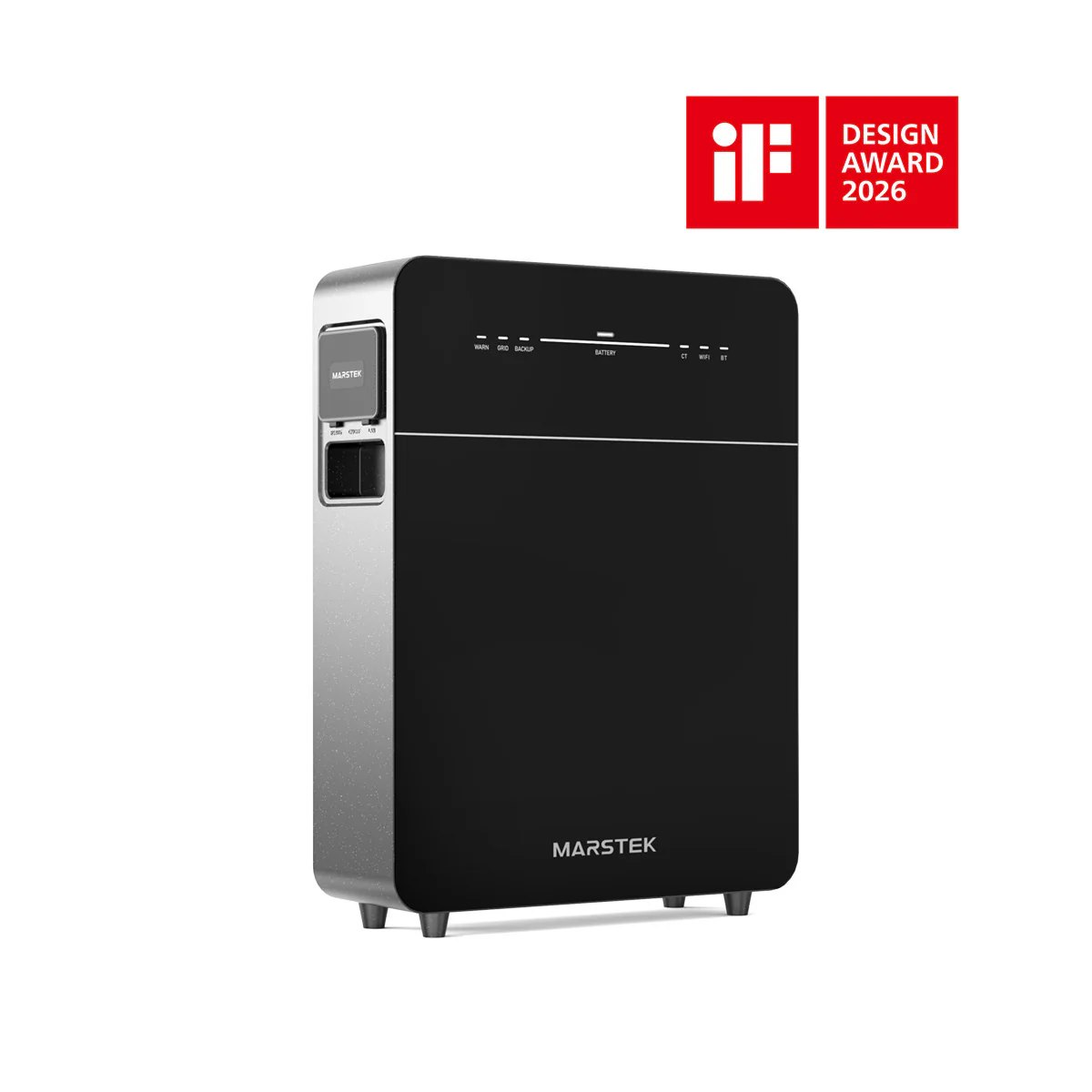
Marstek Venus E 3.0 plug-in home battery

Marstek Venus E 3.0 · silent, fume-free, sits indoors or out

For condos and rentals

Nothing gets attached to the building.

What your landlord or association sees

  • An appliance that stands against a wall
  • No structural work, no roof access, no shared wiring touched
  • No fuel stored on the premises
  • It leaves with you, and leaves no mark

What we check before you buy

  • That the outlet and circuit can carry it safely
  • Which appliances you actually need through an outage
  • Where it will stand: clearance, ventilation, floor loading
  • Whether your building has rules we should read first

Always tell your association anyway. Rules differ building to building, and a quiet conversation beforehand is easier than an argument afterwards. We will put the specification in writing so you have something to show them.

Being straight with you

You could buy a battery online. Here's the difference.

These are real products you can buy elsewhere, and we are not going to pretend otherwise. If you are technically confident and you only want a portable unit, buying it yourself is a perfectly sensible thing to do, and we would rather tell you that than talk you into work you do not need.

What you get by going through us is smaller than on a full solar system, and it is honest to say so. It is this:

  • Sizing from your appliances, not from a product page, in writing, before you buy
  • An electrical check of the circuit it will live on
  • Warranty registered in your name, and claims handled by us, you never chase a factory
  • Replacement units ordered direct through us, because we deal with Marstek and its official Philippine distributor
  • Someone local who answers when it does something you did not expect

When you move to a house

The battery is not wasted. It carries over into a full JANARIX system: the same platform, with solar added on top and the capacity you already paid for still counting. That is the advantage of standing on one platform instead of buying whatever was cheapest that month.

See the home systems

Fair questions

What people ask us.

One inverter aircon, yes, for a few hours on the 5 kWh, longer on the 10. A conventional non-inverter aircon draws a large surge when the compressor starts and will either trip the unit or empty it very quickly.

If aircon through the night is the actual requirement, say so at the assessment. The honest answer may be a bigger wired system, and we would rather tell you that first.

Nothing is drilled and nothing is attached to the building, so no approval is normally needed. We still recommend telling your association, and we will put the specification in writing so you have something to show them.

No. A battery alone stores power, it does not make any. It protects you from outages. Savings come from solar, which you can add later on the same platform.

It comes with you. It is an appliance, not a fixture. And if you move to a house with a roof, it carries over into a full JANARIX system with the capacity you already paid for still counting.

The first step

Find out what you'd actually need.

Thirty minutes, at your place. We list what has to stay running, check the circuit, and put a size in writing. Nothing to sign.